“Project collaboration that works across your organisation!”

The secure collaboration layer for the project conversations, decisions, and documents that your project management tool was never designed to handle.
Your team already has a project management tool. It handles the plan, the timeline, and the task list. What it doesn’t handle is the sensitive collaboration that happens across organisational boundaries – client feedback that shouldn’t travel over email, vendor discussions that need a formal record, decisions that require sign-off from both sides.
DropVault is the secure collaboration layer that sits alongside your existing tools, handling the parts they were never built for.
Every party gets a seat at the table as an equal – not a guest account in someone else’s system, but a direct peer-to-peer connection where every participant has full visibility and neither side depends on the other’s infrastructure.
Every project management tool handles the internal plan well. The timeline, the tasks, the sprints, the internal team.
What none of them were designed for is the collaboration that happens across organisational boundaries — the client conversation that needs a formal record, the vendor decision that requires sign-off from both sides, the sensitive document that cannot travel as an email attachment.
That is where DropVault sits. Not replacing what your team already uses, but adding the secure, peer-to-peer collaboration layer for the parts of the project that cross the boundary between your organisation and everyone else involved in it.
A seat at the table for every party
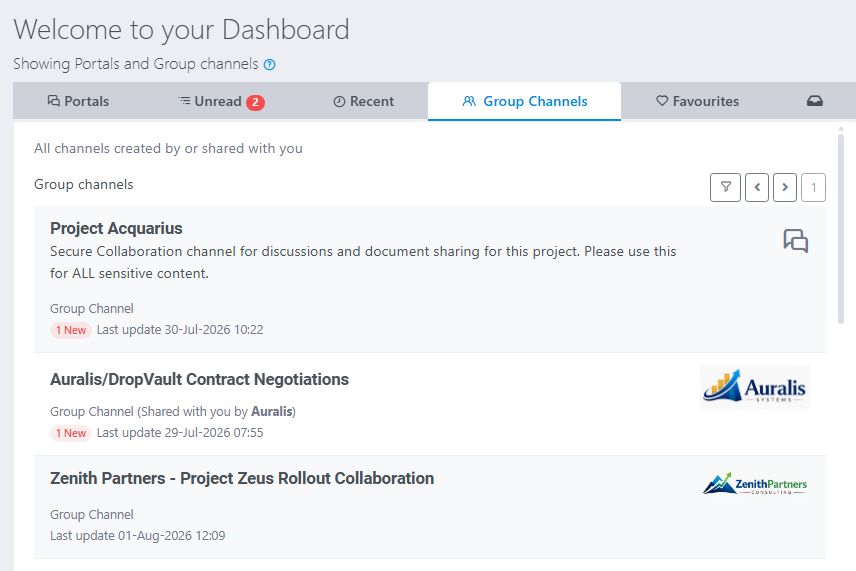
Most project collaboration tools are built for internal teams. When the project involves a client, a subcontractor, or an external advisor, the options are usually a guest account in your tool or email for all external communication. Neither works well. Guest accounts create access control problems and an uncomfortable asymmetry – one party hosts, the other visits. Email creates security risk, version chaos, and a fragmented record nobody can fully reconstruct.
A DropVault project channel connects every party directly, peer to peer. Each organisation manages its own team and access from its own dashboard. Nobody is a guest. Everyone works in the same encrypted environment with the same visibility, from the first conversation to the final sign-off.
Discussions that belong to the project
Project decisions get made in conversations. The problem is that those conversations happen in email threads, messaging apps, and video calls whose notes may or may not reflect what was actually agreed. Context gets lost. Decisions get disputed. The record of why something was done a particular way is in someone’s deleted inbox.
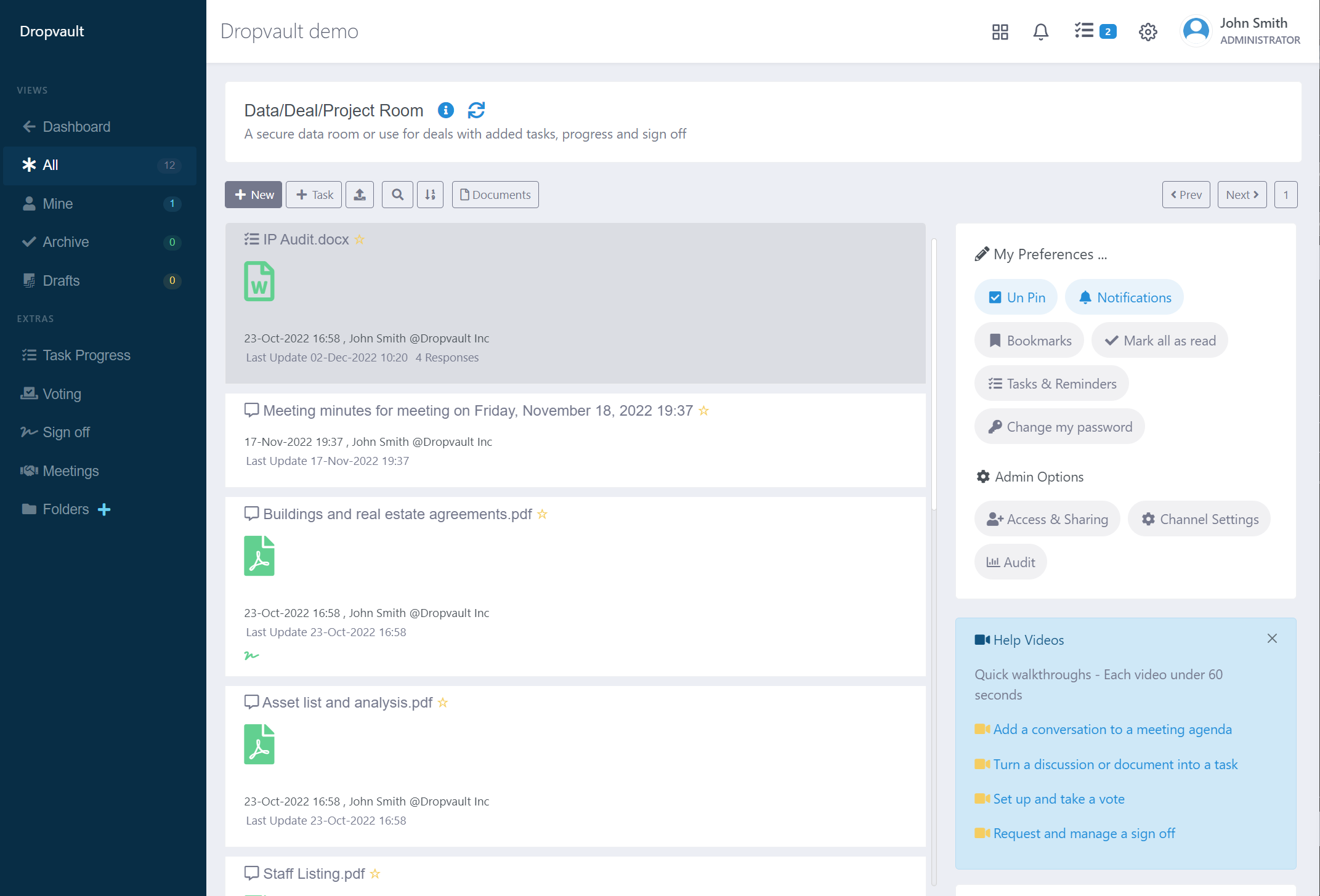
A DropVault project channel keeps discussions in context, alongside the documents and decisions they refer to. Questions are raised alongside the deliverable they concern. Decisions are discussed, agreed, and recorded in the same place. When a new team member joins mid-project, they read the channel history and understand not just where things stand but how they got there – without hunting through anyone’s inbox.
No wrong CC. No leaked project details.
Email is the primary source of unintended disclosure in project collaboration. A misplaced CC sends sensitive client feedback to a competitor. A reply-all exposes internal pricing. A forwarded thread puts commercially sensitive details in front of someone who was never supposed to see them. None of these require a sophisticated attack — just a moment of inattention under time pressure, which happens in every project, every week.
A DropVault project channel has no CC, no reply-all, and no forwarded attachments. Sensitive project communications happen in a closed, authenticated environment where nothing can reach someone who was never supposed to see it.
Decisions that are recorded, not just made
Projects generate decisions constantly. Scope changes, deliverable acceptances, budget approvals. In a standard project environment these are made in meetings and emails and relied upon from memory. When a dispute arises, the record is whatever each party can reconstruct from their own version of events.
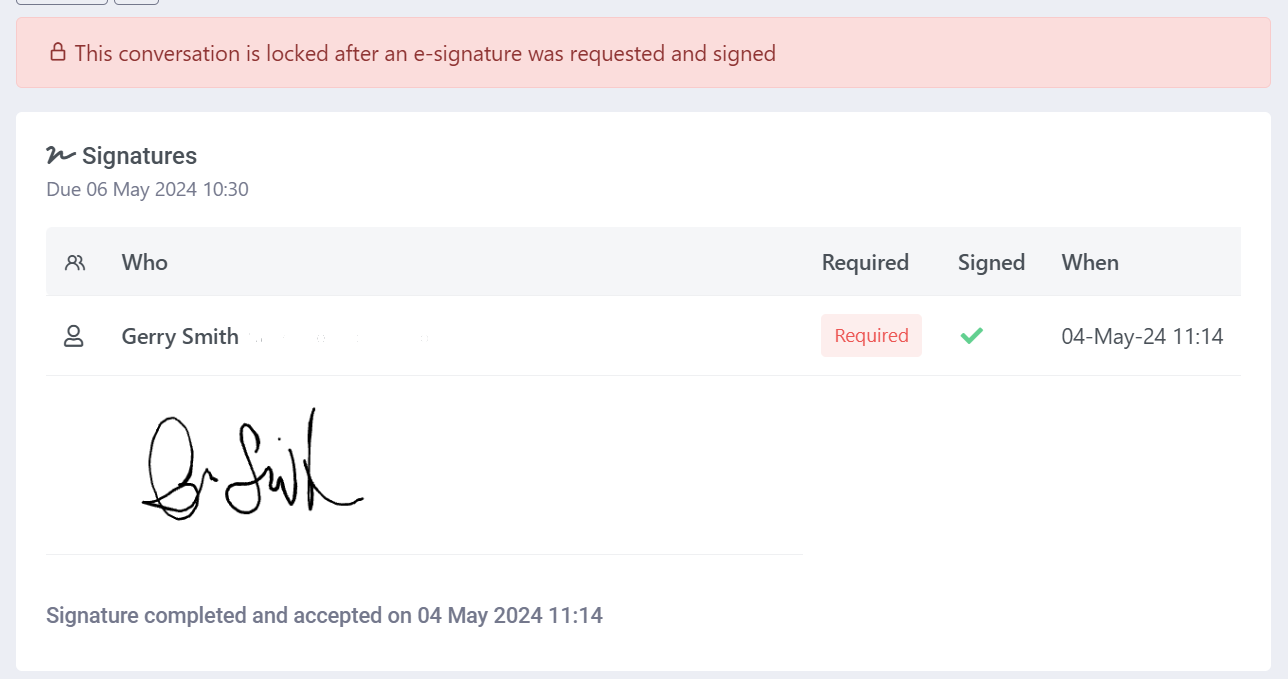
A DropVault project channel captures formal sign-off on decisions within the same environment where the discussion happened. Timestamped, tied to the authenticated identity of the person who gave it, and permanently associated with the discussion that led to it. No additional process. No separate system. No manual effort.
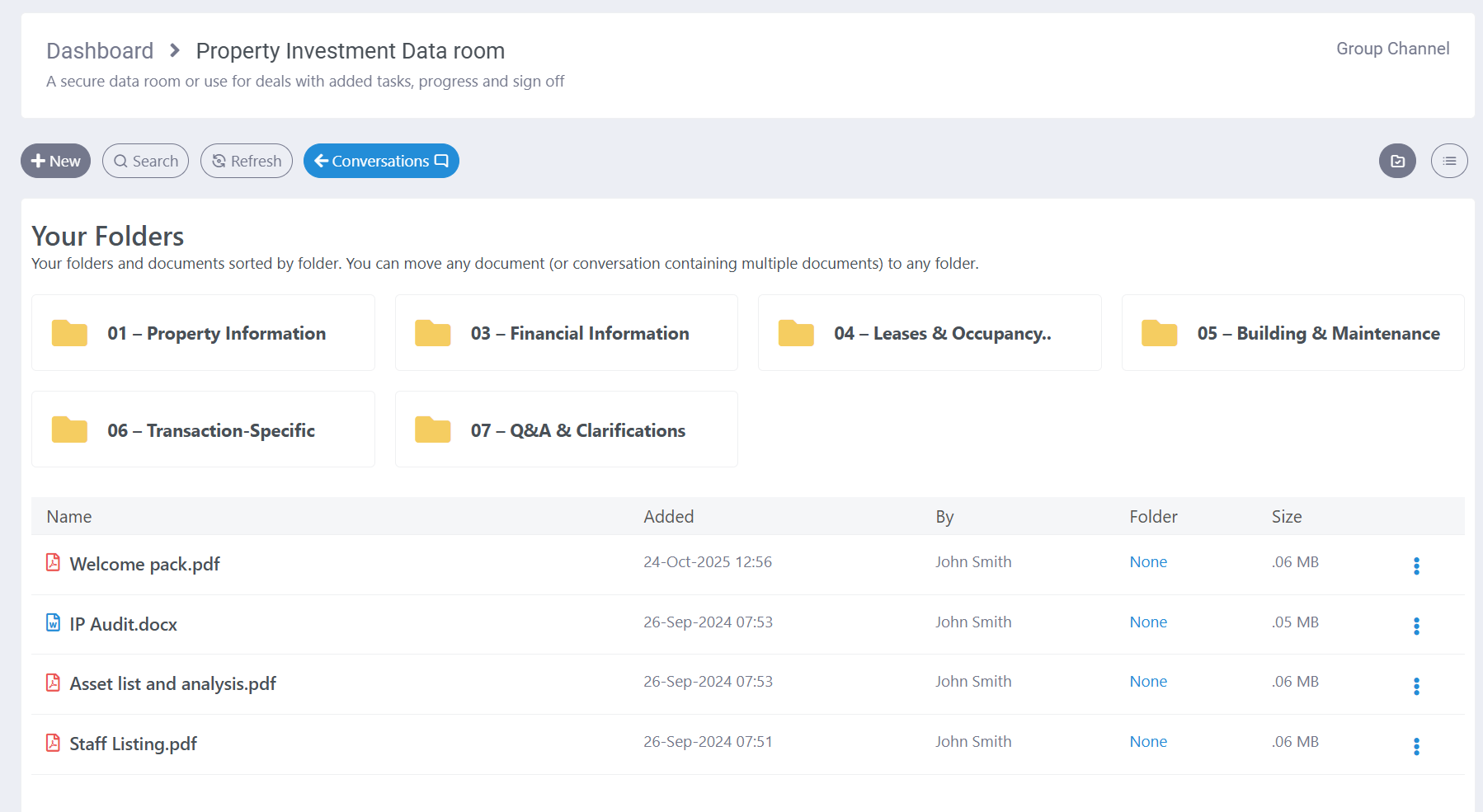
Documents that stay where they belong
Project documents shared as email attachments leave the sender’s control the moment they are sent. They can be forwarded, downloaded to personal devices, and retained by former team members long after their involvement has ended. There is no reliable way to know who has seen what or where a copy currently exists.
Documents shared in a DropVault project channel are encrypted from the moment they enter. Access is tied to authenticated identities. Every download is logged and watermarked. When a team member leaves, access ends. When the project concludes, the document history remains — complete, immutable, and in one place
Tasks that cross organisational boundaries
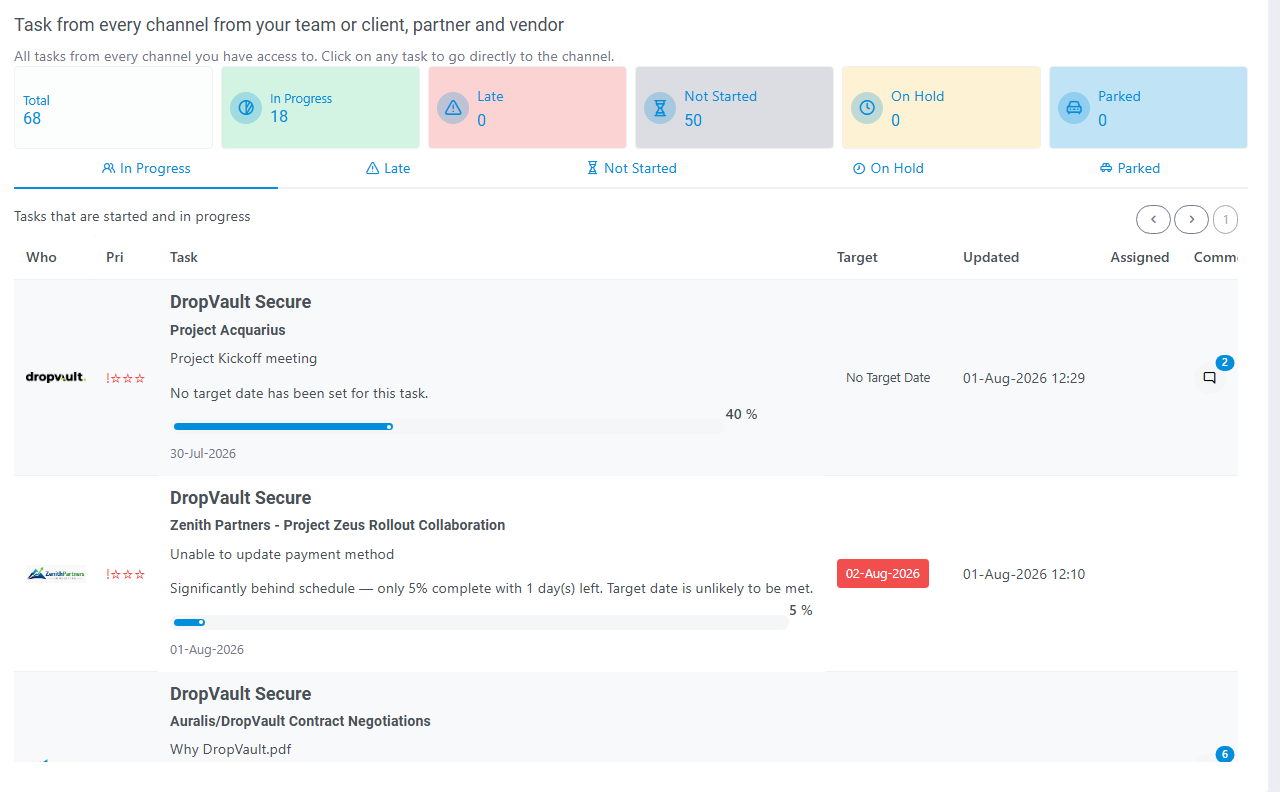
Projects generate actions that belong to specific people on specific sides of the relationship. A client needs to review and approve a deliverable. A vendor needs to provide a missing specification. An external advisor needs to confirm a regulatory position. In an email environment, these actions are buried in threads, chased manually, and tracked in spreadsheets that are always slightly out of date.
A DropVault project channel allows tasks to be created directly from discussions and assigned to anyone in the channel, across any organisation. Due dates are set. Reminders are added. Progress is visible to everyone involved. When the task is complete, sign-off closes it formally. Neither party needs to send a chasing email because the task, its status, and its deadline are visible to everyone in the channel in real time.
Works alongside your existing tools
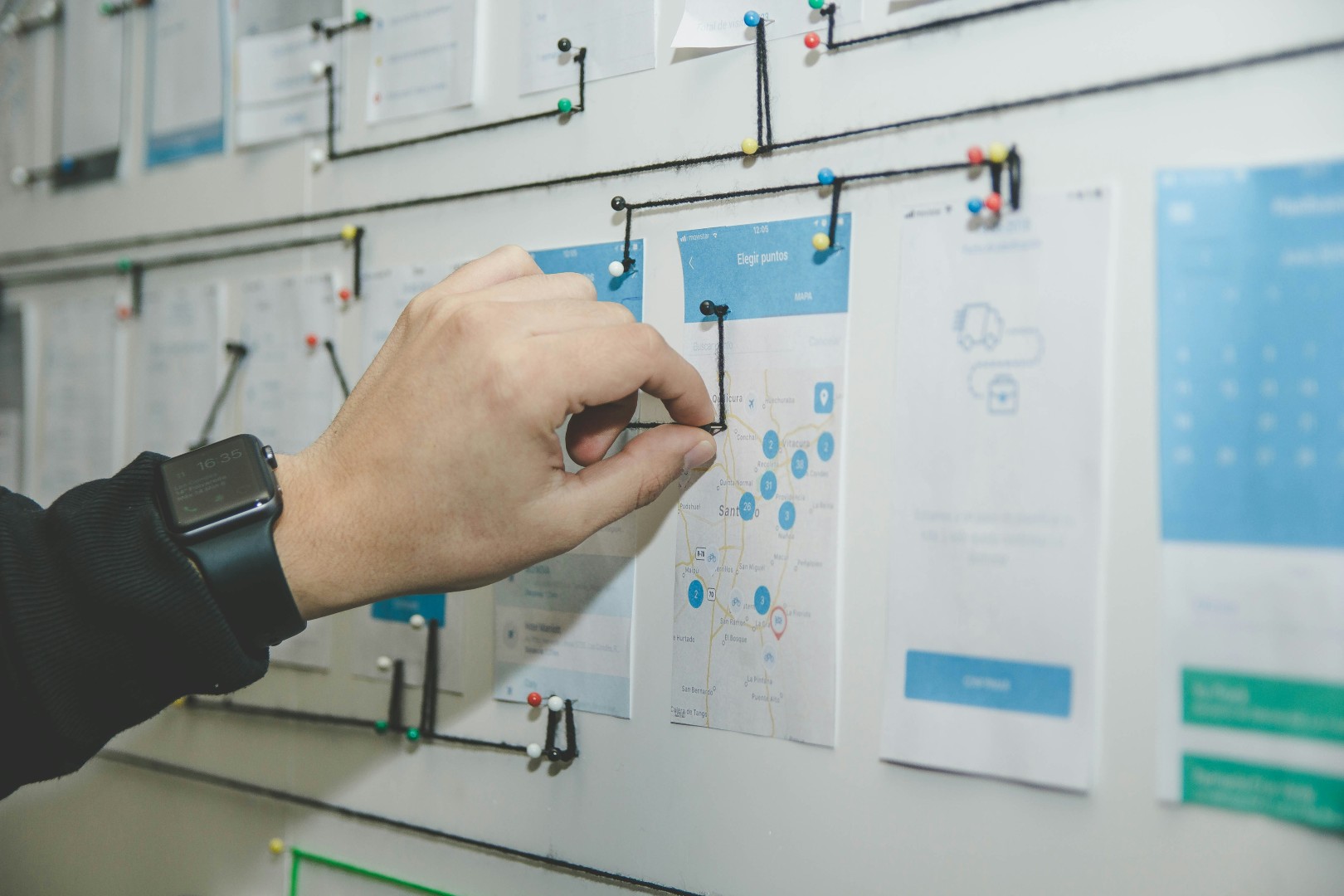
DropVault does not replace your project management tool. It sits alongside it — Asana, Monday, Jira, or whatever your team uses handles the delivery. DropVault handles the conversations, decisions, and documents that cannot safely travel through those tools when external parties are involved.
Both organisations access the channel through their existing Microsoft 365 or Google credentials. Nothing to install. No new accounts. Live within minutes, accessible from any device, anywhere.
The project record that outlasts the project
When a project concludes, the channel remains. The complete history of every conversation, every document, every decision, and every sign-off is there, encrypted, access-controlled, and immutable. If a question arises about what was agreed, the answer is in the channel. If a dispute emerges about a deliverable, the record of its acceptance is there. If a regulatory inquiry requires evidence of how a decision was made, the audit trail is already complete.
The project ends. The record does not.